Exploring the Beauty of Japan and Its Surroundings with Japan and Surrounding Maps
3rd Jan 2024
Chapter I: Introduction
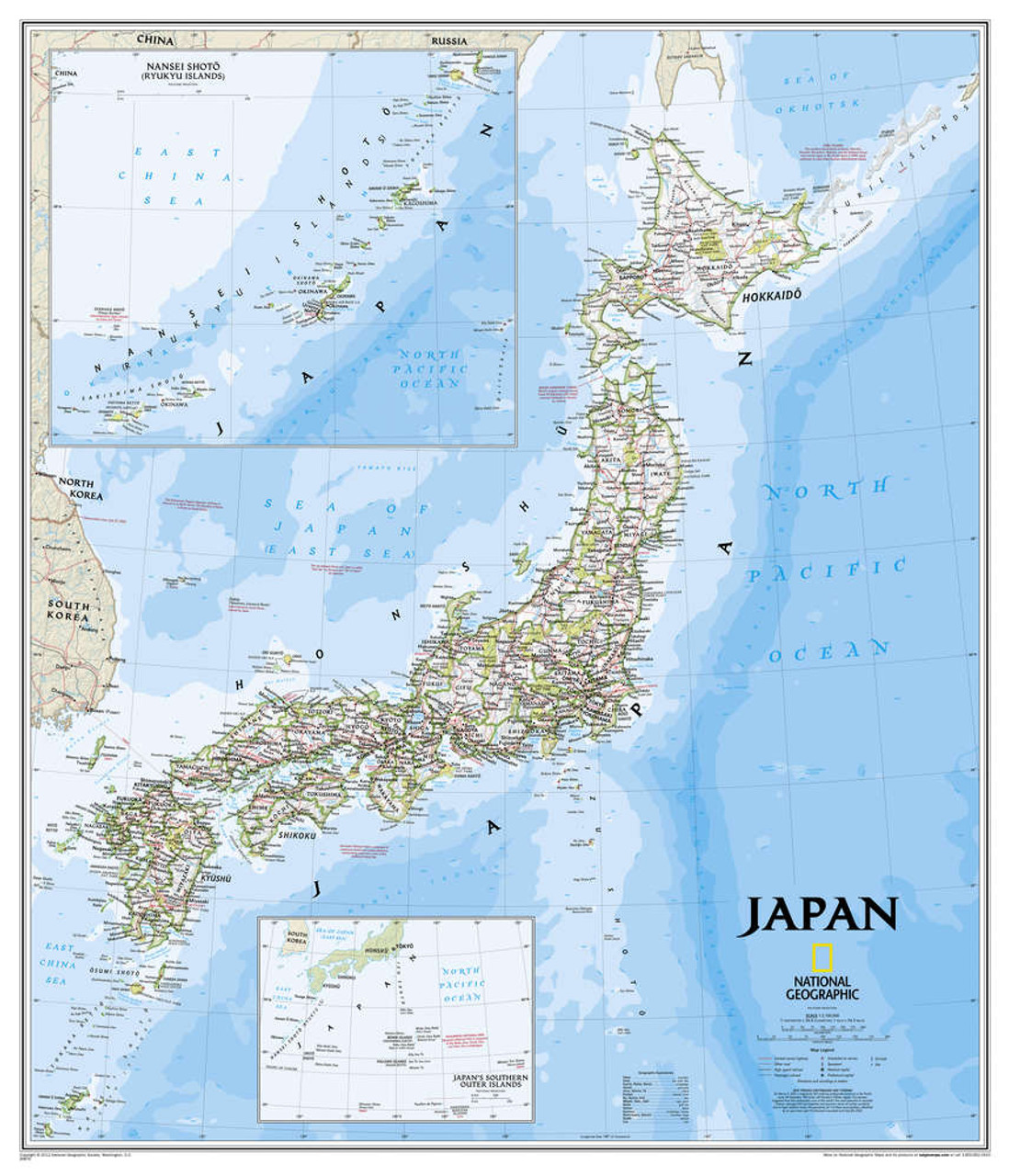
Japan and Surrounding Maps: An Overview
The introduction of this outline sets the stage for the exploration of Japan and its surroundings through the lens of maps. Japan is a country steeped in rich culture, diverse landscapes, and hidden gems waiting to be discovered. By delving into the world of maps, we can gain a deeper understanding of Japan and its unique geographical location, as well as the islands that surround it.
A. Japan and Surrounding Maps: An Overview
This subchapter serves as an introductory overview of the topic at hand. It will provide a brief background on the importance of maps in understanding and navigating Japan and its surrounding areas. Maps have been an integral part of human civilization for centuries, and they continue to play a crucial role in our exploration and understanding of the world around us. In the case of Japan, maps can help us appreciate the country's rich cultural heritage, diverse landscapes, and the unique flora and fauna that can be found in its surroundings.
Japan is a country known for its stunning natural beauty, from snow-capped mountains to lush green forests, and idyllic coastal regions. By utilizing maps, we can gain a deeper appreciation for the country's geographical features and better understand how they have shaped Japan's history and culture. Additionally, maps can provide insights into the unique geographical location of Japan, which has influenced its climate, trade, and interactions with neighboring countries.
Furthermore, this subchapter will touch on the importance of understanding Japan and its surroundings through maps, especially for travelers and adventurers looking to explore the country. Navigating Japan's cities with precision and planning an adventure in its surrounding islands can be made significantly easier with the help of detailed maps. By using maps, individuals can gain a better understanding of Japan's geography and make informed decisions about their travels.
In conclusion, this subchapter will set the stage for a deeper exploration of Japan and its surrounding maps, emphasizing the inherent connection between maps and our understanding of Japan's cultural and geographical landscape.
In summary, the introduction and its subchapter on Japan and Surrounding Maps: An Overview provide a compelling introduction to the importance of maps in understanding Japan and its unique geographical location. Through the use of maps, we can gain a deeper appreciation for Japan's rich culture, diverse landscapes, and the hidden gems waiting to be discovered. This sets the stage for the subsequent chapters, which will delve deeper into Japan and its surroundings through the lens of maps.
II. The Charm of Japan
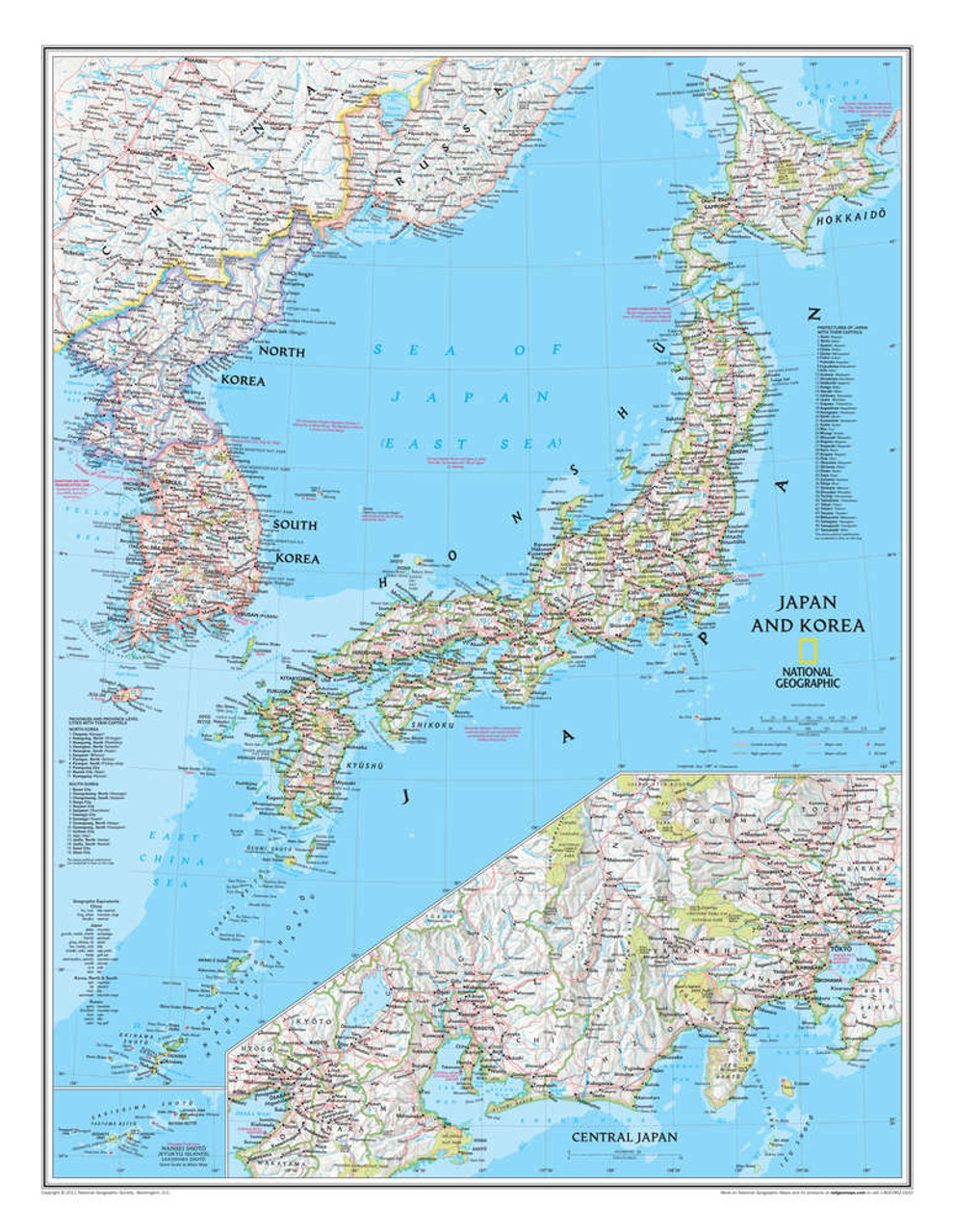
Japan is a country that is rich in history, culture, and natural beauty. From the bustling streets of Tokyo to the serene landscapes of Kyoto, Japan has something to offer for every traveler. In this section, we will delve into the charm of Japan and explore the various aspects that make this country so unique and captivating.
A. A Glimpse of Japan's Rich Culture
The culture of Japan is deeply rooted in tradition and history. From the ancient art of tea ceremonies to the colorful and lively festivals, Japan's culture is something to behold. The traditional arts such as ikebana (flower arranging), calligraphy, and the graceful movements of the traditional Japanese dance, known as Nihon Buyo, all contribute to the rich cultural tapestry of the country.
Furthermore, Japan is also known for its modern pop culture, with a global influence in anime, manga, and video games. The blending of traditional and modern culture is something that makes Japan truly unique and is a major draw for visitors from around the world.
B. Exploring Japan's Diverse Landscapes
Japan is a country of contrasts, with diverse landscapes that range from snowy mountain peaks to lush forests and pristine beaches. The iconic Mount Fuji, with its symmetrical snow-capped peak, is a symbol of Japan and is a popular destination for hikers and nature enthusiasts.
The countryside of Japan is also dotted with traditional villages and rice paddies, providing a glimpse into the rural way of life in the country. On the other hand, the bustling cities of Tokyo and Osaka offer a completely different experience, with their futuristic skylines and vibrant nightlife.
C. Discovering Japan's Hidden Gems
In addition to its well-known attractions, Japan is also home to many hidden gems waiting to be discovered. From the historic streets of Kanazawa to the tranquil gardens of Kanazawa, there are plenty of off-the-beaten-path destinations that offer a more intimate look at Japanese culture and history. One such example is the remote island of Yakushima, with its ancient cedar trees and unspoiled natural beauty.
These hidden gems are often not as crowded as the popular tourist spots, making them a perfect choice for travelers looking for a more authentic and peaceful experience.
In conclusion, the charm of Japan lies in its rich culture, diverse landscapes, and hidden gems waiting to be discovered. Whether you are interested in history, nature, or modern pop culture, Japan has something for everyone. This section provides just a glimpse into what makes Japan so special, and there is much more to explore and appreciate in this fascinating country.
BAB III. Japan and Its Surroundings
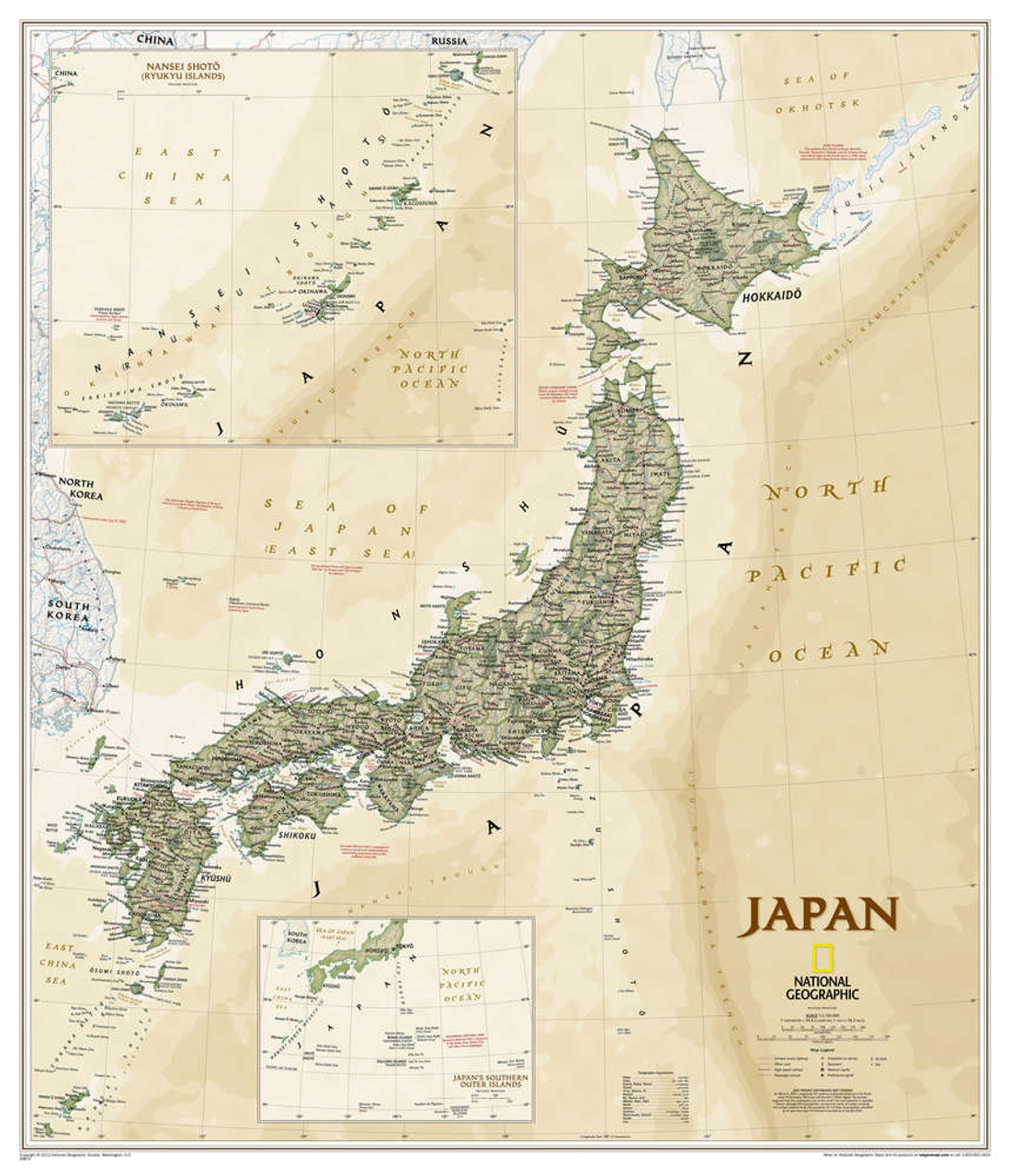
Japan is a fascinating country located in the Pacific Ocean and is surrounded by various islands and bodies of water. Its geographical location has greatly influenced its culture, history, and natural landscapes. Understanding Japan’s surroundings is essential in appreciating the country's beauty and diversity.
A. Understanding Japan's Geographical Location
Japan is an island nation located in East Asia, consisting of four main islands: Honshu, Hokkaido, Kyushu, and Shikoku. It is also surrounded by over 6,800 smaller islands, each with its own unique features and attractions. The country is situated on the Pacific Ring of Fire, making it prone to earthquakes, tsunamis, and volcanic eruptions. This geographical location has shaped Japan's rich history and has also influenced its culture and traditions.
B. Exploring the Beautiful Islands Surrounding Japan
The islands surrounding Japan are as diverse and beautiful as the country itself. Okinawa, located in the southern part of Japan, is known for its stunning beaches, crystal-clear waters, and unique Ryukyu culture. The northern island of Hokkaido offers a completely different experience with its vast wilderness, natural hot springs, and delicious seafood. The islands of Shikoku and Kyushu also offer their own distinct charm, from ancient shrines and temples to lush mountain landscapes.
C. The Unique Flora and Fauna of Japan's Surroundings
The surrounding islands of Japan are home to a rich diversity of flora and fauna. The unique climate and topography of each island have created distinct ecosystems, housing a variety of plant and animal species. From the lush forests of Yakushima to the diverse marine life around the Ogasawara Islands, Japan's surroundings are teeming with natural wonders waiting to be explored.
Understanding Japan's geographical location and its surrounding islands provides a deeper insight into the country's natural beauty, cultural diversity, and environmental significance. Maps play a crucial role in navigating and exploring these areas, allowing travelers to appreciate the full extent of Japan's landscapes and ecosystems.
Overall, Japan’s surroundings are an integral part of the country's identity and offer a wealth of experiences for those willing to venture beyond the mainland. By understanding and appreciating the beauty and diversity of Japan's surroundings, visitors can gain a holistic understanding of the country's natural and cultural heritage. Embracing the beauty of Japan and its surroundings through maps allows travelers to make the most of their exploration and create lasting memories of this remarkable part of the world.
Chapter IV of the outline focuses on the importance of Japan and surrounding maps. This section delves into how maps are essential tools for navigating Japan's cities with precision, planning adventures in Japan's surroundings, and gaining a better understanding of Japan's geography.
A. Navigating Japan's Cities with Precision Navigating the bustling cities of Japan can be quite a challenge, especially for first-time visitors. However, with the help of detailed maps, navigating these urban labyrinths becomes much more manageable. Whether it's finding your way through Tokyo's intricate subway system or locating specific landmarks in Kyoto, having a reliable map is essential. This section will explore the different types of maps available for Japan's major cities, such as street maps, transit maps, and tourist maps. It will also discuss the importance of digital maps and navigation apps in the age of technology, and how they have made exploring Japanese cities much more convenient for travelers.
B. Planning an Adventure in Japan's Surroundings Japan's surroundings offer a diverse range of natural landscapes and attractions, from the idyllic countryside to the majestic mountains and pristine coastlines. Planning an adventure in these areas requires a good understanding of the terrain and the available resources. Maps play a crucial role in this aspect, as they provide valuable information about hiking trails, scenic routes, camping grounds, and other points of interest. This section will highlight the significance of topographic maps and hiking maps for outdoor enthusiasts and how they contribute to a safe and enjoyable experience in Japan's beautiful surroundings.
C. Using Maps for Better Understanding of Japan's Geography Understanding Japan's geography is essential for appreciating the country's natural beauty and cultural diversity. Maps not only help in visualizing the physical features of the land but also provide insights into the historical and cultural significance of different regions. In this section, the focus will be on thematic maps that showcase Japan's geographical diversity, including climate maps, vegetation maps, and geological maps. These maps offer a comprehensive view of Japan's varied landscapes and ecosystems, highlighting the importance of environmental conservation and sustainable practices.
In conclusion, Chapter IV emphasizes the indispensable role of maps in enhancing the overall travel experience in Japan and its surroundings. Whether it's navigating urban centers, planning outdoor expeditions, or gaining insights into the country's geography, maps serve as valuable tools for exploration and discovery. By utilizing maps effectively, travelers can truly embrace the beauty of Japan and its surroundings, and gain a deeper appreciation for the rich cultural and natural heritage that this captivating country has to offer.
In the final chapter of this outline, we will delve into the importance of Japan and surrounding maps. We will explore how maps can be used to navigate Japan's cities with precision, plan an adventure in Japan's surroundings, and gain a better understanding of Japan's geography. This chapter will serve as a conclusion to the overall discussion on Japan and its surroundings, emphasizing the role of maps in embracing the beauty of this diverse and culturally rich region.
In section V.A, we will focus on how maps are essential for navigating Japan's cities with precision. Japan is known for its bustling urban centers, and navigating these cities can be a daunting task for travelers. However, with the aid of detailed maps, visitors can easily maneuver through the streets, find points of interest, and locate important landmarks. Whether it's the bustling streets of Tokyo or the historic districts of Kyoto, having a map on hand can make the exploration of Japan's cities a much more manageable and enjoyable experience.
Moving on to section V.B, we will discuss the significance of using maps to plan an adventure in Japan's surroundings. Japan is not just about its vibrant cities; it also boasts a wealth of natural landscapes and outdoor destinations. From the majestic Mt. Fuji to the scenic countryside of Hokkaido, there are countless opportunities for outdoor exploration in Japan. By utilizing maps, travelers can chart out their routes, locate hiking trails, and identify scenic viewpoints. Maps can also provide valuable information on transportation options, accommodation, and local attractions, making it easier for travelers to plan and execute their adventures in Japan's surroundings.
Lastly, in section V.C, we will explore how maps contribute to a better understanding of Japan's geography. Japan is a country with a complex and diverse geography, including mountainous regions, coastal areas, and numerous islands. Understanding the geographical layout of Japan is essential for appreciating the country's natural beauty and cultural diversity. Maps can provide valuable insights into Japan's topography, climate, and geological features. They can also highlight the unique flora and fauna that thrive in Japan's surroundings, shedding light on the ecological significance of the region.
In conclusion, this chapter will emphasize the pivotal role of maps in embracing the beauty of Japan and its surroundings. By highlighting the importance of maps in navigating cities, planning adventures, and understanding geography, we will underscore their relevance as essential tools for travelers. Ultimately, through the use of maps, visitors can gain a deeper appreciation for Japan's rich culture, diverse landscapes, and unique surroundings, enhancing their overall experience in this enchanting destination.
BAB 6 / VI: Embracing Technology for Better Understanding of Japan and its Surroundings
A. Utilizing Geographic Information System (GIS) for Detailed Mapping One of the most significant advancements in mapping technology is the utilization of Geographic Information System (GIS) for creating detailed and accurate maps of Japan and its surroundings. GIS allows for the collection, storage, and analysis of geographic data, making it possible to create visually stunning and informative maps that provide a wealth of information about Japan's landscapes, cities, and surrounding islands.
With GIS, it is possible to create interactive maps that allow users to zoom in and out, switch between different layers of information, and even manipulate the data to create custom maps tailored to specific needs. This technology has revolutionized the way we understand and navigate the world around us, and its application to mapping Japan and its surroundings has been invaluable in providing a deeper understanding of the region's geography.
B. Harnessing the Power of Satellite Imagery for Comprehensive Mapping Another breakthrough in mapping technology is the use of satellite imagery to create comprehensive and detailed maps of Japan and its surrounding areas. Satellites orbiting the Earth capture high-resolution images that can be used to create accurate maps that showcase Japan's diverse landscapes, the layout of its cities, and the surrounding islands in incredible detail.
Satellite imagery not only provides a bird's eye view of Japan and its surroundings but also allows for the monitoring and analysis of changes in the landscape over time. This technology has been crucial in disaster management, urban planning, environmental conservation, and various other fields where accurate and up-to-date mapping information is essential.
C. Embracing Digital Mapping Tools for Accessibility and Convenience The rise of digital mapping tools has made it easier than ever for people to access and utilize maps of Japan and its surroundings. Platforms like Google Maps, MapQuest, and various other mapping applications have made it possible for users to explore Japan's cities, navigate its streets, and even plan their adventures in the surrounding islands with just a few taps on their smartphones or clicks on their computers.
Digital mapping tools also provide real-time information such as traffic updates, public transportation routes, and points of interest, making it incredibly convenient for both locals and tourists to navigate Japan and its surroundings with ease. These tools have become an integral part of modern travel and exploration, and their integration with mapping technology has significantly improved the way we interact with and understand the world around us.
D. Conclusion In conclusion, the embrace of technology has enhanced our understanding of Japan and its surroundings through advanced mapping tools. The use of GIS, satellite imagery, and digital mapping applications has allowed for the creation of detailed and comprehensive maps that provide valuable insights into Japan's geography, culture, and natural beauty. As technology continues to evolve, we can expect even more innovative mapping solutions that will further enrich our knowledge and appreciation of Japan and its surroundings.
Bab 7 atau VII adalah bagian terakhir dalam outline tersebut, yaitu bagian Conclusion yang berfungsi untuk merangkum dan menutup keseluruhan isi dari tulisan tersebut. Dalam bagian ini, akan dijelaskan secara lebih detail mengenai pentingnya memahami keindahan Jepang dan sekitarnya melalui peta.
Sub Bab A: Embracing the Beauty of Japan and Its Surroundings through Maps Pentingnya memahami keindahan Jepang dan sekitarnya melalui peta bukanlah hal yang bisa dianggap remeh. Dalam sub bab ini, kita akan membahas bagaimana peta dapat membantu kita untuk lebih memahami kekayaan budaya Jepang. Dengan peta, kita dapat melihat lokasi dari berbagai tempat bersejarah, kuil-kuil yang indah, dan festival-festival tradisional yang tak terlupakan. Peta juga membantu kita untuk memahami lokasi dari berbagai bentang alam yang tersebar di Jepang, mulai dari pegunungan yang indah hingga pantai yang menakjubkan.
Selain itu, peta juga membantu kita untuk merencanakan perjalanan petualangan di sekitar Jepang. Dengan menggunakan peta, kita dapat dengan lebih mudah menentukan rute perjalanan, menemukan lokasi-lokasi tempat makan atau menginap, serta menemukan tempat-tempat wisata yang mungkin terlewatkan jika tidak dengan bantuan peta. Begitu juga, peta akan membantu kita untuk memahami secara lebih mendalam mengenai geografi Jepang, seperti lokasi letak gunung-gunung, sungai-sungai, dan danau-danau yang ada di sekitar Jepang.
Dengan semua kegunaan tersebut, tidak dapat dipungkiri bahwa peta merupakan alat yang sangat penting dalam memahami keindahan Jepang dan sekitarnya. Sebuah peta bukanlah hanya sekadar kumpulan garis dan titik, melainkan merupakan sumber pengetahuan yang tak ternilai dalam memahami suatu tempat dengan lebih baik. Dengan demikian, kita dapat lebih menghargai keindahan Jepang dan sekitarnya melalui peta.
Sub Bab B: The Importance of Understanding Japan's Geography Pentingnya memahami geografi Jepang juga memerlukan pemahaman yang mendalam mengenai letak geografis negara tersebut. Dalam sub bab ini, kita akan membahas betapa pentingnya untuk memahami letak geografis Jepang, terutama karena negara tersebut terletak di wilayah yang rawan bencana alam.
Jepang terletak di wilayah lingkaran api Pasifik, yang membuat negara ini rentan terhadap gempa bumi dan letusan gunung berapi. Dengan memahami letak geografis Jepang, kita dapat lebih siap dalam menghadapi bencana alam yang mungkin terjadi. Selain itu, memahami geografi Jepang juga membantu kita untuk lebih memahami kondisi iklim dan lingkungan alam Jepang, yang pada akhirnya dapat membantu kita dalam merencanakan perjalanan di Jepang dan sekitarnya.
Dengan memahami geografi Jepang, kita juga dapat lebih menghargai keunikan dari flora dan fauna di wilayah tersebut. Jepang memiliki keanekaragaman hayati yang menakjubkan, mulai dari hutan-hutan yang lebat hingga spesies hewan yang langka. Dengan memahami letak geografis Jepang, kita dapat lebih memahami kondisi habitat dari flora dan fauna tersebut, sehingga kita dapat lebih menghargai keindahan alam yang ada di sekitar kita.
Melalui pemahaman yang mendalam mengenai geografi Jepang, kita juga dapat lebih memahami bagaimana kita dapat berkontribusi dalam melestarikan keindahan alam Jepang dan sekitarnya. Kita dapat lebih memahami bagaimana memanfaatkan sumber daya alam secara berkelanjutan, serta bagaimana menjaga keindahan alam untuk generasi mendatang.
Dengan demikian, dapat disimpulkan bahwa pemahaman geografi Jepang melalui peta merupakan hal yang sangat penting, bukan hanya untuk keperluan perjalanan petualangan, namun juga dalam menjaga kelestarian alam dan kekayaan budaya Jepang.
Dengan rangkuman yang mendalam mengenai pentingnya memahami keindahan Jepang dan sekitarnya melalui peta, dapat disimpulkan bahwa peta memainkan peran yang sangat penting dalam memahami kekayaan budaya, alam, dan geografi Jepang. Melalui peta, kita dapat lebih menghargai dan merencanakan petualangan di Jepang dan sekitarnya dengan lebih baik, serta kita juga dapat lebih memahami bagaimana menjaga keindahan alam dan budaya Jepang untuk generasi mendatang. Dengan demikian, mari kita terus memanfaatkan peta sebagai alat yang sangat penting dalam menjelajahi keindahan Jepang dan sekitarnya.
BAB VIII: Pentingnya Peta Jepang dan Sekitarannya
Peta adalah sebuah alat yang sangat penting dalam navigasi dan pemetaan suatu wilayah. Dalam konteks Jepang dan wilayah sekitarnya, peta memiliki peran yang sangat vital dalam memahami geografi dan memetakan destinasi di wilayah tersebut. Dalam bab ini, kita akan menjelaskan mengapa peta sangat penting dalam konteks Jepang dan wilayah sekitarnya, serta bagaimana peta dapat digunakan untuk menjelajahi dengan lebih baik wilayah ini.
Sub Bab A: Menavigasi Kota-kota Jepang dengan Presisi
Perjalanan ke Jepang tidak akan lengkap tanpa mengunjungi kota-kota yang menawan di negara ini. Dengan peta yang tepat, kita dapat menavigasi kota-kota seperti Tokyo, Kyoto, dan Osaka dengan presisi yang tinggi. Dalam sub bab ini, kita akan membahas bagaimana peta dapat membantu wisatawan untuk menemukan tempat-tempat wisata utama, restoran, dan transportasi umum. Kita juga akan membahas pentingnya peta dalam menghindari kesesatan dan memastikan bahwa pengalaman menjelajah di kota-kota Jepang berjalan lancar.
Sub Bab B: Merencanakan Petualangan di Sekitaran Jepang
Selain menjelajahi kota-kota, Jepang juga memiliki sejumlah destinasi wisata alam yang luar biasa, seperti Gunung Fuji, Taman Nasional Nikko, dan Pulau Okinawa. Dalam sub bab ini, kita akan membahas bagaimana peta dapat digunakan untuk merencanakan petualangan di sekitar Jepang. Dari mendaki gunung hingga menyelam di perairan sekitar Okinawa, peta dapat membantu para petualang untuk menemukan rute terbaik dan tempat-tempat menarik di wilayah tersebut. Dalam sub bab ini, kita juga akan membahas bagaimana peta dapat membantu dalam persiapan perjalanan, termasuk hal-hal seperti persiapan perlengkapan, pilihan transportasi, dan penentuan rute perjalanan.
Sub Bab C: Menggunakan Peta untuk Pemahaman yang Lebih Baik tentang Geografi Jepang
Pemahaman tentang geografi Jepang tidak lengkap tanpa pemahaman tentang peta. Dalam sub bab ini, kita akan membahas bagaimana peta dapat digunakan untuk memahami lebih baik tentang letak, topografi, dan geologi Jepang. Kita akan membahas jenis-jenis peta yang berguna untuk pemahaman geografi Jepang, seperti peta topografi, peta iklim, dan peta geologi. Selain itu, kita juga akan membahas bagaimana peta dapat digunakan untuk mempelajari distribusi flora dan fauna di Jepang serta wilayah sekitarnya.
Dengan menggunakan peta dengan bijak, kita dapat memaksimalkan pengalaman menjelajah di Jepang dan wilayah sekitarnya. Dari navigasi kota-kota dengan presisi hingga merencanakan petualangan di alam, peta memiliki peran yang sangat penting dalam memastikan bahwa kita dapat menikmati keindahan Jepang dan wilayah sekitarnya dengan cara yang paling optimal. Pentingnya peta dalam pemahaman geografi Jepang juga tidak boleh diabaikan, karena peta membantu kita untuk memahami lebih baik tentang wilayah ini secara keseluruhan. Dengan demikian, adalah penting untuk memberikan perhatian yang lebih besar pada penggunaan peta dalam konteks Jepang dan wilayah sekitarnya.
Chapter IX: The Importance of Japan and Surrounding Maps
In this chapter, we will delve into the significance of having detailed maps of Japan and its surrounding areas. From navigating Japan's bustling cities with precision to planning an adventure in the beautiful islands surrounding Japan, maps play a crucial role in better understanding the geography of this fascinating country.
Section A: Navigating Japan's Cities with Precision
Japan is known for its bustling cities, such as Tokyo, Osaka, and Kyoto, and navigating these urban landscapes can be quite daunting for visitors. This is where detailed maps of the cities come into play. Whether it's finding your way through the intricate subway systems or locating specific landmarks and attractions, having a comprehensive map of the city is essential. It provides an overview of the city's layout, helps in planning routes, and ensures that you can navigate with precision, making the most out of your time in Japan.
Moreover, Japan's cities are a blend of modernity and tradition, with vibrant neighborhoods and historical sites coexisting side by side. With the help of detailed maps, tourists can easily locate these attractions and gain a deeper understanding of the cultural and historical significance of each area.
Section B: Planning an Adventure in Japan's Surroundings
Beyond its cities, Japan is also home to stunning natural landscapes and picturesque surroundings. From the iconic Mount Fuji to the serene beaches of Okinawa, Japan's diverse landscapes offer a wealth of outdoor adventures for travelers. Whether it's hiking trails, camping grounds, or diving spots, having accurate maps of these areas is crucial for planning a memorable and safe adventure.
Detailed topographical maps of Japan's surroundings provide valuable information on terrain, elevation, and natural features. This not only helps outdoor enthusiasts plan their excursions effectively but also ensures their safety while exploring the diverse landscapes of Japan.
Section C: Using Maps for a Better Understanding of Japan's Geography
Maps are invaluable tools for gaining a better understanding of Japan's geography. They not only provide visual representations of the country's physical features but also offer insights into its geological and climatic characteristics. Detailed maps of Japan's surroundings also highlight the unique flora and fauna of different regions, allowing travelers to appreciate the country's rich biodiversity.
Furthermore, maps play a vital role in understanding Japan's geographical location in relation to its surrounding islands and neighboring countries. They help in comprehending the interconnectedness of Japan with the rest of the world and provide a holistic view of the country's place in the global geography.
In conclusion, the importance of Japan and surrounding maps cannot be overstated. From navigating the bustling cities with precision to planning adventures in the diverse landscapes, maps are indispensable tools for travelers. They not only aid in practical navigation but also deepen our understanding and appreciation of Japan and its surrounding areas. Embracing the beauty of Japan and its surroundings through maps is an enriching experience that enhances the overall travel experience in this captivating country.
Chapter X focuses on the importance of Japan and surrounding maps. This chapter delves into the significance of having a thorough understanding of Japan's geography and the surrounding islands. It also highlights the role of maps in navigating Japan's cities with precision, planning an adventure in the surrounding areas, and gaining a better understanding of Japan's diverse landscapes.
Section A of this chapter delves into the geographical location of Japan. Japan is an archipelago located in the Pacific Ocean, and its unique location has influenced its culture, history, and natural environment. Understanding Japan's geographical location is crucial in comprehending the country's climate, natural disasters, and its relationship with neighboring countries.
Section B explores the beautiful islands surrounding Japan. These islands, including Hokkaido, Honshu, Shikoku, and Kyushu, offer diverse landscapes and attractions. Hokkaido, for example, is known for its stunning natural scenery, including national parks, mountains, and hot springs. Honshu, the largest island, is home to iconic landmarks such as Mt. Fuji, while Shikoku and Kyushu boast their own unique charm and attractions.
Section C delves into the unique flora and fauna of Japan's surroundings. The surrounding islands are home to a rich and diverse ecosystem, with unique plant and animal species. From the iconic cherry blossoms to the elusive Japanese macaque, Japan's natural surroundings offer a myriad of opportunities for wildlife enthusiasts and nature lovers.
The second part of Chapter X shifts its focus to the practical use of maps in Japan and its surroundings. Section A emphasizes the importance of navigating Japan's cities with precision. With bustling metropolises like Tokyo, Osaka, and Nagoya, having a detailed map is essential for efficient and accurate navigation. Whether exploring historical landmarks, shopping districts, or dining hotspots, having a reliable map ensures a smoother and more enjoyable experience.
Section B highlights the significance of planning an adventure in Japan's surrounding areas. From hiking in the Jap